

Skip to content
Products

Filters

Cartridge, bag, disc, screen, drum and separator filters; the first line of defence.

Mechanical filters retain the suspended solids in water according to particle size. They form the first stage of a treatment line and protect the expensive equipment behind them — the membrane, the resin, the pump.

The right filter choice depends on the size of the particles to be retained, how much of them the water carries and the flow rate of the line. The wrong choice means either constant clogging or an unprotected next stage.

Product group

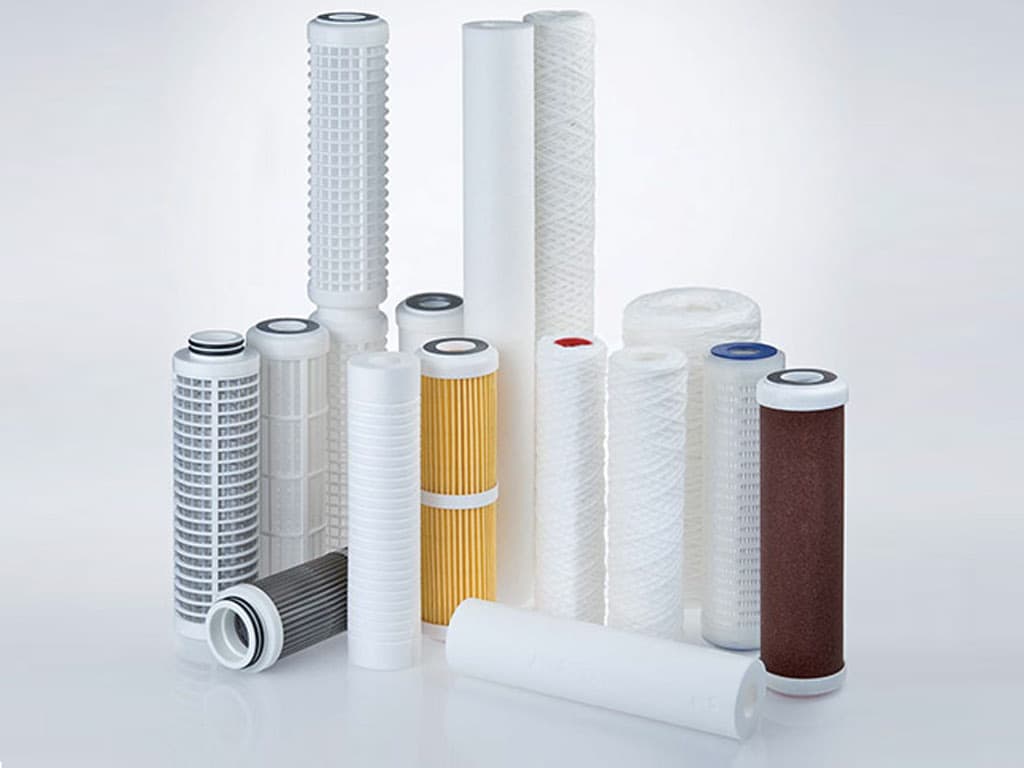
  • Cartridge filter

    Cartridge filter

    Fine filtration with replaceable cartridges. Widely used as the last safety stage ahead of a membrane; options of 1 micron and below are also effective against colloidal silica.

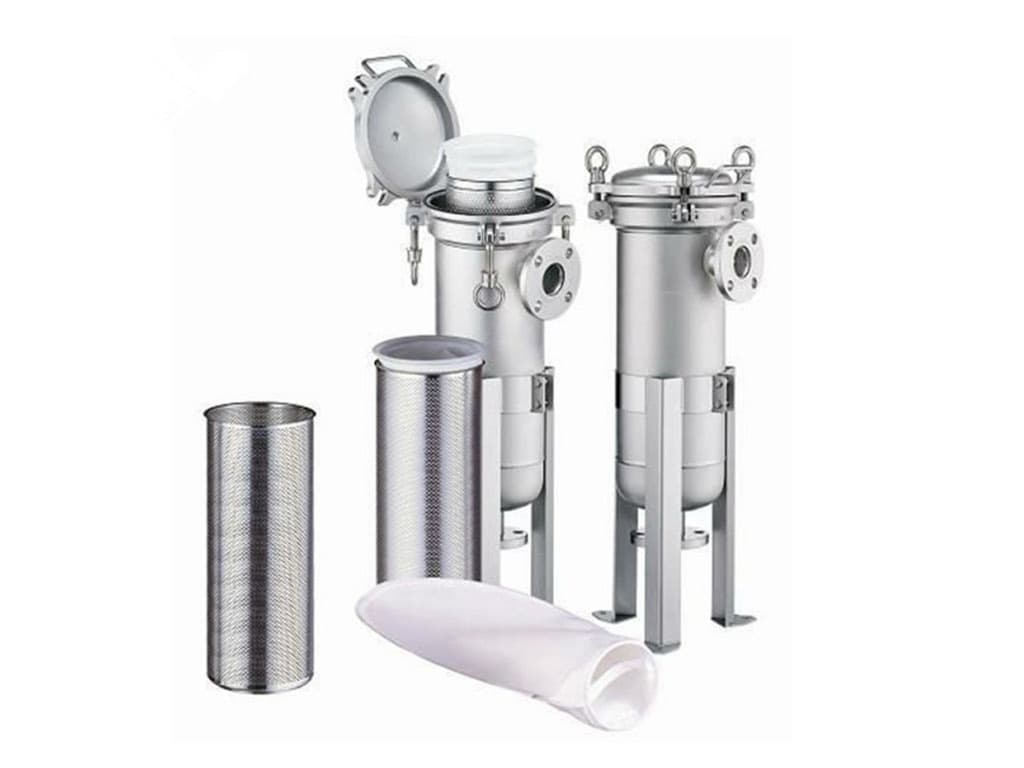
  • Bag filter

    Bag filter

    Preferred on lines that need high dirt-holding capacity. Bag replacement is quick, which makes operation easier on streams whose contamination load varies.

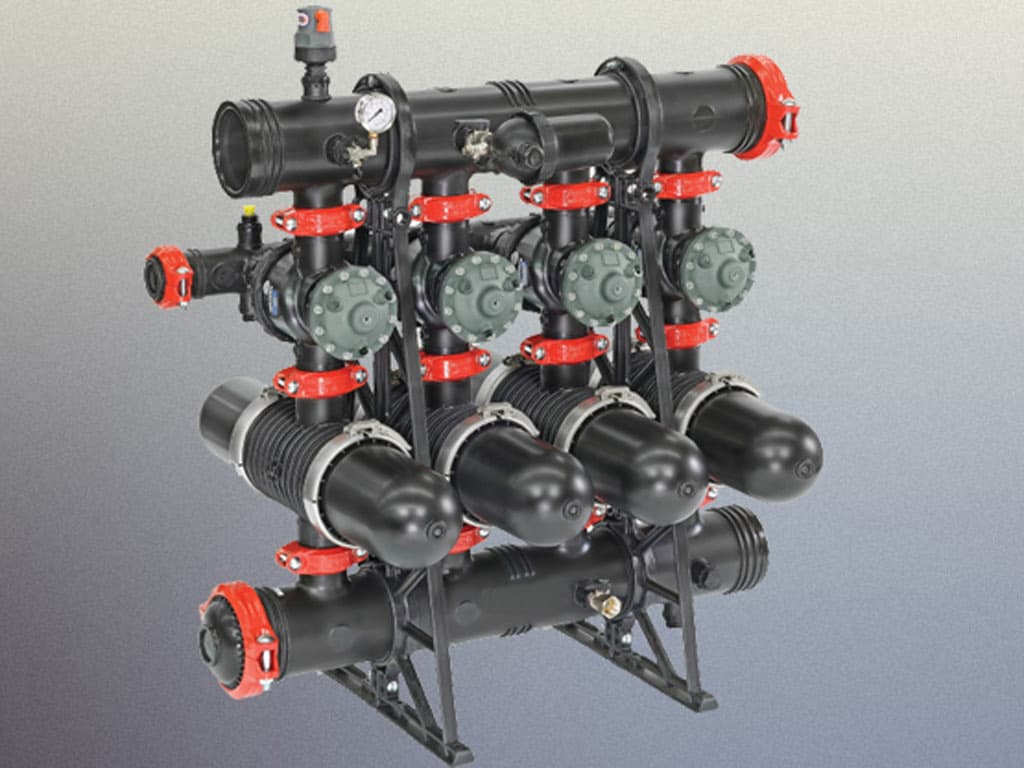
  • Disc filter

    Disc filter

    Depth filtration formed by stacked, compressed discs. Its backwashable construction keeps consumable costs low.

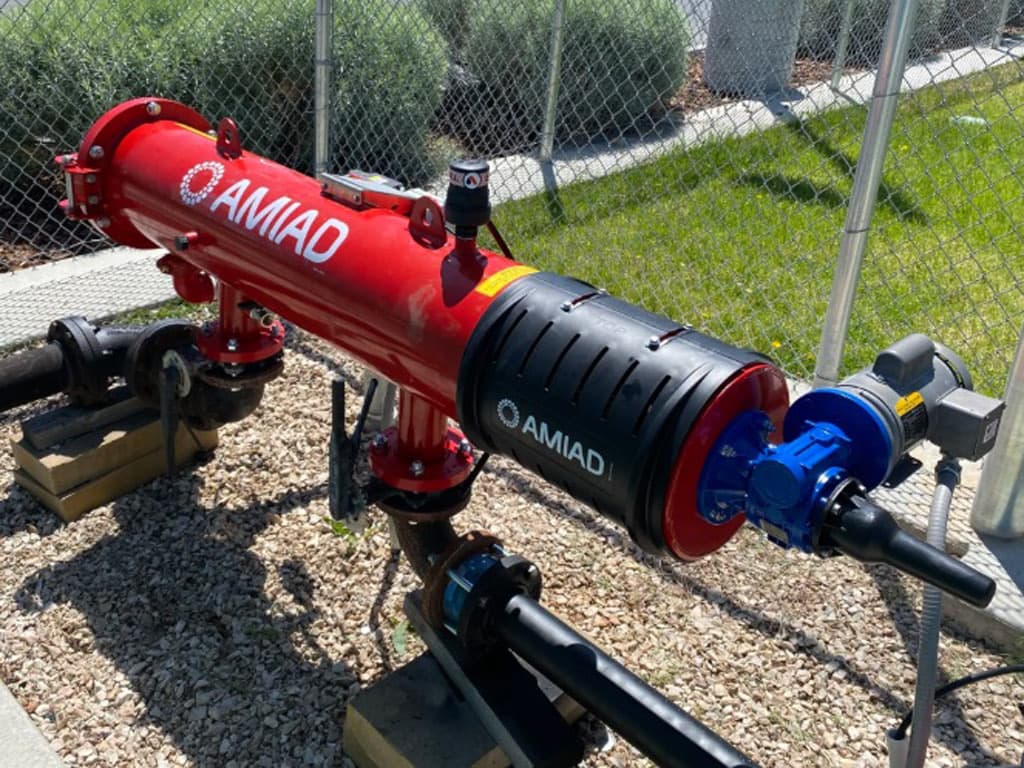
  • Screen filter

    Screen filter

    Retains coarse particles at the very start of the line. Self-cleaning types prevent shutdowns on continuously operating lines.

  • Drum filter

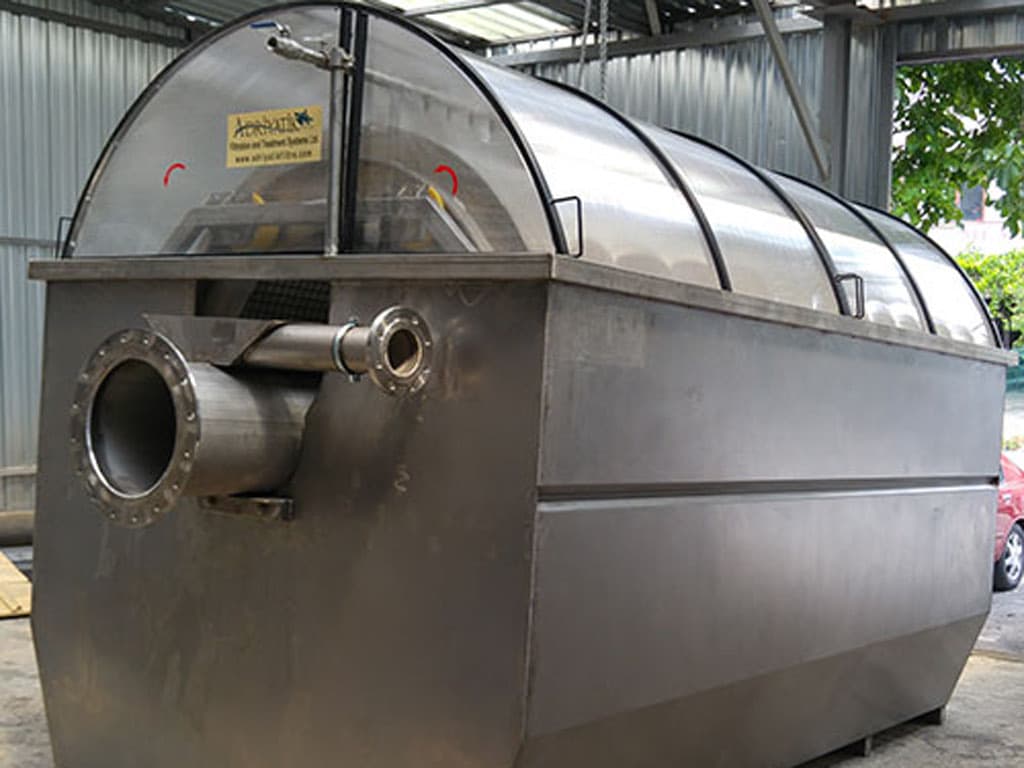
    Drum filter

    Continuous filtration on high-flow streams. The rotating drum surface cleans itself, so operation is uninterrupted.

  • Separator filter

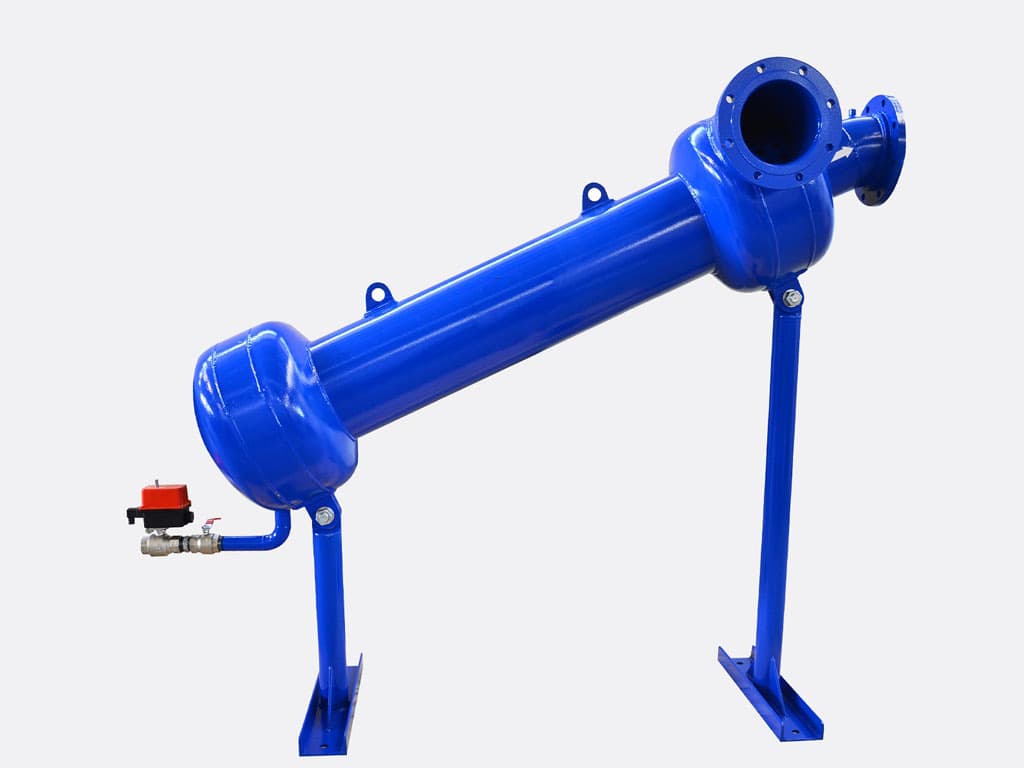
    Separator filter

    Separates particles heavier than water by centrifugal action. Used as a first stage on well water with a high sand and sediment load.

Why does micron rating matter so much?

The most common mistake in filter selection is assuming that finer is always better. A filter finer than necessary clogs constantly; pressure loss rises, consumable costs climb, and operators start looking for ways to bypass it altogether.

The correct arrangement is staged: coarse particles are retained by a coarse filter, fine particles by the stage after it. That way each filter does its own job and none of them is loaded needlessly.

Frequently asked questions

When should a filter be replaced?

When the differential pressure between inlet and outlet reaches the limit given by the manufacturer. Monitoring differential pressure is both more accurate and more economical than replacing on a fixed schedule.

Are you tied to a particular brand?

No. We select equipment based on the raw water analysis and the operating conditions; the brand comes afterwards.

Do you supply filters for our existing line?

Yes, we supply consumables and spares for existing systems.

Send us your raw water analysis and the flow rate you need

Let us size the system together; we will survey the site in person if needed.